
Design trends have a way of moving in unexpected directions, and one of the more interesting shifts in recent years has been the mainstream embrace of industrial aesthetics, raw materials, utilitarian textures, a visual language once confined almost entirely to construction, manufacturing, and the trades. What started as a practical, functional look has increasingly found its way into branding across a much wider range of industries, signaling something specific about durability, authenticity, and craftsmanship.
Why Industrial Design Has Crossed Into Mainstream Branding
Industrial design’s move into mainstream branding didn’t happen in isolation. It tracks alongside a broader cultural interest in authenticity and craftsmanship, a reaction, in part, to years of overly polished, generic corporate design that started to feel interchangeable and impersonal. Industrial aesthetics offer something different: a visual language rooted in real, functional materials rather than abstract design trends, which can read as more genuine and grounded than more conventional corporate branding approaches.
This shift has also been shaped by changing consumer and client expectations. Audiences across many industries have shown a growing preference for brands that feel honest and substantial rather than purely aspirational or polished. Industrial design, with its roots in function and durability rather than pure aesthetics, taps directly into that preference, offering a visual shorthand for authenticity that’s difficult to replicate through more conventional design approaches.
What Industrial Aesthetics Communicate
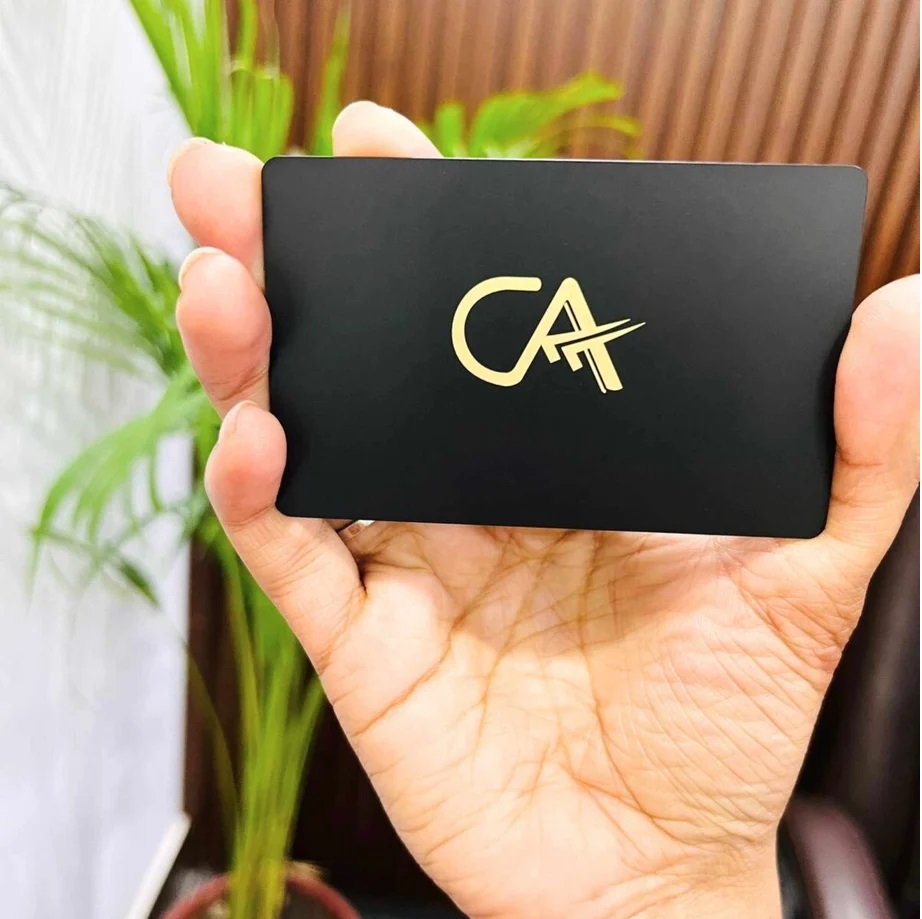
At its core, industrial design communicates durability, function, and a certain no-nonsense honesty. Raw or exposed materials, muted, utilitarian color palettes, and sturdy, unfussy typography all reinforce a sense that a brand is built on substance rather than surface-level polish. These associations translate well beyond their original context in construction and manufacturing, applying effectively to any business that wants to signal reliability and genuine craftsmanship.
This is part of why materials like metal siding business cards have found a natural audience well beyond traditional trade industries. The rugged, industrial texture and weight of a metal card communicate durability and authenticity in a way that a standard paper card simply can’t, making it a natural fit for businesses across sectors that want their branding to feel substantial rather than purely decorative.
Industries Where This Look Works Especially Well
While industrial aesthetics originated in and remain particularly well suited to construction, manufacturing, and skilled trades, their appeal has expanded considerably. Craft-focused businesses, breweries, artisanal food producers, custom furniture makers, have embraced industrial design as a way to signal authentic, hands-on production. Even some technology and creative businesses have adopted elements of industrial aesthetics to counterbalance an otherwise digital, intangible product with a visual identity that feels grounded and substantial.
The common thread across these varied applications is a desire to signal genuine substance and craftsmanship, regardless of whether the underlying business actually involves physical materials in the traditional sense. Industrial design has become, in many ways, a visual shorthand for authenticity itself.
Balancing Ruggedness With Professionalism
The challenge with industrial aesthetics, as with any strong design direction, lies in execution. Applied without care, industrial design elements can tip into feeling unpolished or unprofessional rather than authentically rugged. The most successful applications tend to balance industrial textures and materials with disciplined, professional design fundamentals, clean typography, thoughtful layout, restrained color choices, ensuring the overall effect reads as intentional rather than simply unfinished.
This balance is particularly important for businesses in more traditionally formal industries experimenting with industrial elements for the first time. A construction company or trades business can lean more heavily into raw industrial aesthetics without risk, given the direct alignment with their actual work. A business in a more conventionally polished industry needs to apply industrial elements more selectively, using them as an accent that adds character rather than the dominant visual language of the entire brand.
A Design Language With Real Staying Power
Industrial aesthetics in branding aren’t simply a passing trend. They reflect a genuine, ongoing shift in what audiences find credible and appealing in brand design, favoring substance and authenticity over polish for its own sake. For businesses looking to signal durability, craftsmanship, and genuine substance, thoughtfully applied industrial design elements offer a compelling, increasingly mainstream way to communicate exactly that.
